The latest Sevenoaks district council news for residents: weekly food waste from 27 April, two free wheelie bins and glass recycling from autumn 2026, and a 2.98% council tax rise. What each decision means for your bills and bin day.
Households across the Sevenoaks district are about to see the biggest shake-up to their bin collections in decades, alongside a fresh rise in the council’s slice of the council tax. Sevenoaks District Council has confirmed a £9.05 million investment in new waste and recycling services rolling out from spring through autumn 2026, and a 2.98% increase in its share of council tax that took effect on 1 April. Here is what has actually been decided, and what it means for your kerb and your bill.
What was decided
Two separate council decisions are landing on residents this year. The first is the “BIG recycling upgrade”, a phased overhaul of how rubbish and recycling are collected. The second is the 2026/27 budget, agreed by full council on 24 February 2026, which sets the council tax and funds the year’s spending.
The headline waste change starts first. From 27 April 2026, most households began receiving weekly food waste collections. According to the council, this reaches around 49,000 of the district’s roughly 53,000 homes, with hard-to-serve communal blocks and estates brought in later in the year. The remaining wheelie bin and glass changes follow in the autumn.
On the money side, the council set a budget of £22.3 million for 2026/27, more than £2 million up on the previous year, and raised its own portion of the council tax by 2.98%.
The bin changes, in order
The waste overhaul is being delivered in stages rather than all at once. Here is the sequence the council has set out.
From 27 April 2026: weekly food waste. Most homes, except flats, now get a weekly food waste collection. Residents receive two caddies: a small grey caddy for use indoors in the kitchen, and a larger black and orange caddy that goes out at the kerb. The council says food waste makes up around a third of what households throw away and is one of the heaviest items in the bin.
From autumn 2026: two free wheelie bins and glass. Most residents, again excluding flats and certain properties set back from the road, will be given two free wheelie bins. One is for general waste, the other for recycling. The recycling bin will take plastics, metal tins, cans and trays, paper, cardboard and, for the first time at the kerbside, glass bottles and jars. Until now, glass has not been part of the standard kerbside collection.
From autumn 2026: alternate weekly collections. Once the wheelie bins are distributed, general waste and recycling will be collected on alternate weeks rather than every week. Food waste stays weekly.
Residents who live in flats are treated differently. They are not part of the wheelie bin rollout, but the council says communal recycling facilities will be improved in the coming years, with new banks for food waste, textiles and small electrical items.
What it means for you
For most homeowners and renters in houses, the practical changes are real and worth preparing for now.
- Your kitchen routine changes first. From late April you can separate food scraps into the grey indoor caddy and put the black and orange caddy out weekly. This is the part already in effect.
- You will receive new bins later in the year. If you live in a house, expect two wheelie bins to arrive in the autumn. You do not pay for them; the council has costed them into the £9.05 million programme.
- Glass no longer needs a separate trip. Once the new bins arrive, glass bottles and jars go in your recycling bin instead of being taken to a bottle bank.
- Collection day frequency shifts. From autumn, general waste and recycling alternate week to week. Diarising your colour for each week will matter once the change is in.
- Flats are on a different timeline. If you live in a flat, you keep using communal facilities, with improvements promised over the next few years rather than this autumn.
The council frames the upgrade partly as a response to new government rules requiring councils to offer a wider range of home recycling from 2026, and partly as a cost and carbon saving. It estimates the food waste change alone will save more than £500,000 a year in disposal costs paid to Kent County Council, because food waste is processed differently from general rubbish.
The cost, and where the money goes
The £9.05 million figure is not abstract. The council has broken it down into three main areas: £6.6 million for new waste collection vehicles, £2.09 million for the wheelie bins themselves, and £360,000 for the food waste containers.
Cllr Irene Roy, the council’s Cabinet Member for Cleaner and Greener, described the programme as “one of the biggest investments in the Council’s 51-year history”. On the food waste element, she said: “Food waste makes up around a third of household waste and is one of the heaviest things we throw away.”
The council tax side
Running alongside the bin changes is the council’s 2026/27 budget, agreed in February. The district council raised its own share of council tax by 2.98% from 1 April 2026. For a Band D home, that works out at an extra £7.47 a year, or about 14 pence a week, on the Sevenoaks District Council portion.
It is worth being clear about what that figure is and is not. The district council’s share is only one slice of your total council tax bill. The largest part goes to Kent County Council, with further amounts for the police, the fire service and your town or parish council. The 2.98% rise applies only to the district’s slice, not to the whole bill. For the full breakdown by band, see our guide to Sevenoaks council tax bands.
The wider £22.3 million budget also funds capital projects beyond bins, including regeneration of land east of Sevenoaks High Street, new housing in Swanley, and a new community hall and shop on the Spitals Cross Estate in Edenbridge. Cllr Kevin Maskell, Leader of Sevenoaks District Council, said the authority could “once again set a balanced budget while investing more in services that are important to our residents”.
What happens next
The food waste rollout is live now. The wheelie bins, glass collections and the move to alternate weekly pickups are scheduled for the autumn, so most households will get formal notice from the council, including delivery dates and any change to their collection day, closer to the time. Residents in flats and harder-to-serve properties should watch for separate communications, as their timelines differ.
If you want to check your current collection day or the exact services for your address, the council’s rubbish and recycling pages carry the latest details, and our Sevenoaks bin collection days guide explains how to find your schedule.
Sources
- Sevenoaks District Council, Council gears up for new weekly food waste collections (19 March 2026)
- Sevenoaks District Council, New beginning for waste collections (£9.05m investment breakdown and Cllr Irene Roy quote)
- Sevenoaks District Council, The BIG recycling upgrade
- Sevenoaks District Council, Latest budget invests more in local services and the future of the District (2026/27 budget, council tax and Cllr Kevin Maskell quote)
- Sevenoaks District Council, Rubbish and recycling
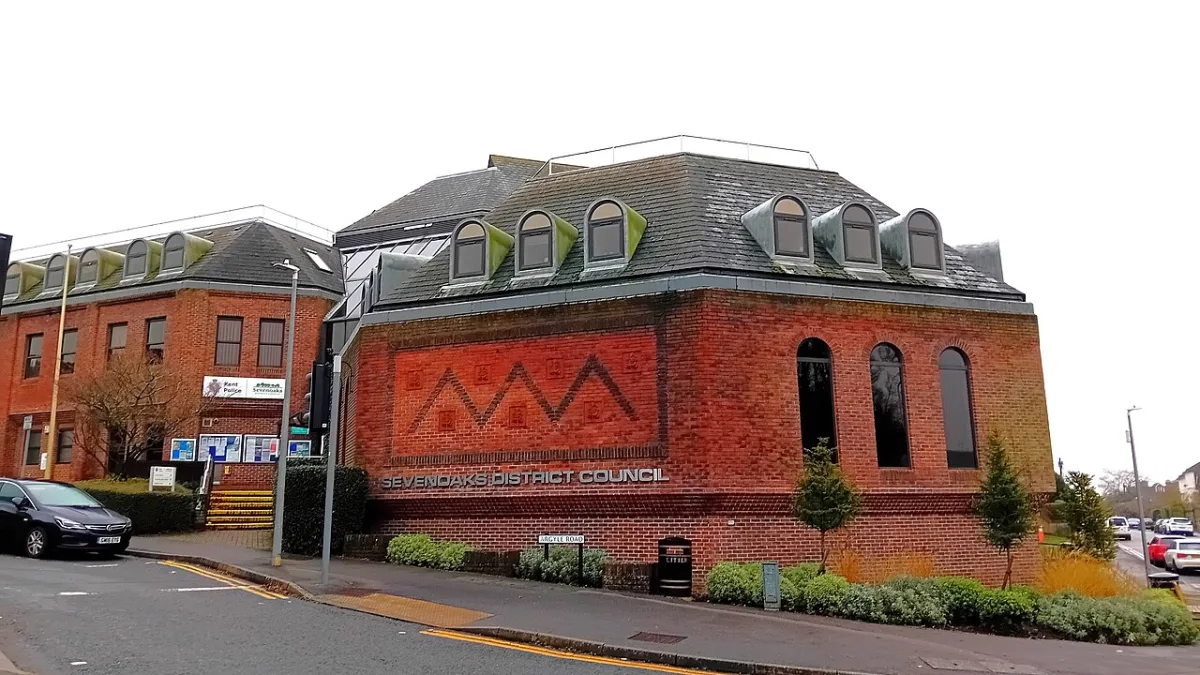
Image: “Sevenoaks District Council Offices” by Richard Kelly, CC BY 4.0, via Wikimedia Commons (https://commons.wikimedia.org/wiki/File:Sevenoaks_District_Council_Offices.jpg).
Comments
0 commentsNo comments yet. Be the first to have your say.