A clear commuter guide to Sevenoaks to London trains: journey times, frequency, the fastest service, the last train home and what a season ticket costs in 2026.
If you live in Sevenoaks and work in London, the train is usually the whole reason you moved here. The good news: Sevenoaks is one of the better connected commuter towns in Kent, with direct trains to four central London terminals and a fast service that gets you into Charing Cross in just over half an hour. The trade off is the cost, and that is where most of the surprise lands. This guide sets out the real journey times, how often trains run, the last train home, and what a season ticket actually costs in 2026, with a link to every source so you can check it.
The quick version
Sevenoaks sits on Southeastern’s main line into London. From one platform you can reach London Charing Cross, Cannon Street and London Bridge directly, and a separate Thameslink service runs through to Blackfriars and, in the peaks, on through the City and up to St Pancras International. The distance to Charing Cross is around 21 miles, and the fastest trains do it in about half an hour (Southeastern).
Where the trains go, and how long they take
Charing Cross (for the West End and Whitehall)
This is the headline route. Southeastern runs roughly 129 direct trains a day between Sevenoaks and Charing Cross. The average journey is about 42 minutes, and the fastest service is about 32 minutes (Southeastern). Charing Cross also stops at Waterloo East and London Bridge on the way in, so it is useful well beyond the West End.
What it means for you: if you are timing a commute, do not assume the average. Look for the fast trains. A 32 minute run and a 42 minute run leave from the same platform, and the difference over a year of commuting is real time.
Cannon Street (for the City)
If you work in the City, Cannon Street is your terminal. There are around 21 trains a day on this route, typically taking about 41 minutes, with the fastest at roughly 30 minutes (Trainline). Cannon Street is busiest at peak times and quieter midday, which is normal for a City terminus.
London Bridge (for the City, Bermondsey and the Tube)
London Bridge is served by the same Charing Cross and Cannon Street trains, so it is well covered through the day, with the fastest direct runs in around 31 minutes (National Rail). It is often the most useful interchange because of the Jubilee and Northern line connections underneath.
Thameslink to Blackfriars and St Pancras
Separate from the Southeastern terminals, Thameslink runs two trains an hour from Sevenoaks to London Blackfriars through the day. In the peaks these services continue through the central core, calling at City Thameslink, Farringdon and St Pancras International before carrying on north (Thameslink / Wikipedia).
What it means for you: if your office is near Farringdon, the City or you need St Pancras for Eurostar or the Midland main line, Thameslink saves you a change. Outside the peaks the through service thins out, so check the time of your specific train rather than assuming it always runs to St Pancras.
How early and how late can you travel?
For the Charing Cross line, the first train is around 04:57 on weekdays (later at weekends), and the last train back the way you would expect leaves Sevenoaks around 23:05 on weekdays, with a slightly later last service on Saturdays (Southeastern). For Cannon Street, the last train runs close to 23:35 on the busiest days (Trainline).
What it means for you: late nights out in town are doable, but the last train is the hard deadline. If you regularly miss the 23:05, the taxi or the change at London Bridge is the difference, so it is worth knowing your specific last service by terminal. Always check live times on the day, because engineering work, especially at weekends, changes the picture.
What a season ticket costs in 2026
This is the number most commuters care about. An annual season ticket from Sevenoaks to London Terminals is about £4,598 for standard class (Campaign for Better Transport, 2025 fares analysis). That figure reflects the 4.6% rise on regulated fares that took effect on 2 March 2025 (MoneySavingExpert), which is the increase that carried into this year.
The important update for 2026: regulated rail fares in England are frozen, the first freeze in around 30 years. The freeze covers standard class season tickets, anytime and off-peak tickets, and it runs until March 2027 (National Rail).
What it means for you: the headline annual season ticket price is not rising in 2026, so a Sevenoaks to London Terminals season holds at roughly the 2025 level rather than jumping again in March. A “London Terminals” season covers Charing Cross, Cannon Street, Blackfriars and the other central terminals, so you are not locked to one route. If you only travel two or three days a week, look at a Flexi Season, which gives a set number of day passes to use across a period and can beat buying singles. The freeze applies to standard class only, and London Underground fares are set separately by Transport for London, so a Travelcard add on can still move (Time Out).
Always price your exact journey on the official calculator before you buy, because your price depends on whether you add Tube zones and which season length you choose (Southeastern season ticket calculator).
Choosing your train: a practical summary
- Going to the West End or Whitehall: Charing Cross, fastest around 32 minutes.
- Going to the City: Cannon Street or London Bridge, fastest around 30 to 31 minutes.
- Going to Farringdon, the City fringe or St Pancras: Thameslink to Blackfriars, extending through the core in the peaks.
- Catching the last train: roughly 23:05 (Charing Cross) to 23:35 (Cannon Street) on weekdays, but confirm on the day.
- Buying a season: about £4,598 a year to London Terminals, frozen for 2026.
Frequently asked questions
How long does the train from Sevenoaks to London take?
The fastest Southeastern trains reach London Charing Cross in about 32 minutes, with an average of around 42 minutes (Southeastern). Cannon Street and London Bridge are similar, with the quickest direct runs at around 30 to 31 minutes.
What is the fastest train from Sevenoaks to London?
The fastest scheduled service into Charing Cross is about 32 minutes. Not every train is this quick, so check the timetable and pick a fast departure rather than relying on the average.
How often do trains run from Sevenoaks to London?
Very often. There are roughly 129 direct trains a day to Charing Cross (Southeastern), plus Cannon Street services and two Thameslink trains an hour to Blackfriars through the day.
What time is the last train from London to Sevenoaks?
It depends on the terminal, but on weekdays the last useful Charing Cross service leaves Sevenoaks around 23:05 and Cannon Street around 23:35, with slightly later times on Saturdays (Southeastern, Trainline). Always confirm the last train on the day, especially at weekends.
How much is a Sevenoaks to London season ticket?
An annual standard class season ticket to London Terminals is about £4,598, and because regulated fares are frozen for 2026, that price is not rising this year (Campaign for Better Transport, National Rail fares freeze).
Can I get to St Pancras directly from Sevenoaks?
Yes, on Thameslink during the peaks. Those trains run through the central core via City Thameslink and Farringdon to St Pancras International (Thameslink). Outside the peaks you may need to change, so check your specific train.
Sources
- Southeastern: Sevenoaks to London Charing Cross (journey times, daily services, first and last trains, distance)
- Trainline: Sevenoaks to London Cannon Street (Cannon Street times, frequency, last train)
- National Rail: Trains from Sevenoaks to London Bridge (London Bridge service)
- Thameslink (Wikipedia overview) (Blackfriars and core section stations)
- Campaign for Better Transport: 2025 London season ticket costs (annual season ticket figure)
- MoneySavingExpert: 4.6% rail fares rise, March 2025 (regulated fare increase)
- National Rail: The Big Rail Fare Freeze (2026 freeze until March 2027)
- Time Out: rail fares frozen in 2026 (freeze scope, TfL set separately)
- Southeastern season ticket calculator (price your exact journey)
Prices and times change, especially at weekends and during engineering work. Check live times and the official season ticket calculator before you travel. Last updated June 2026.
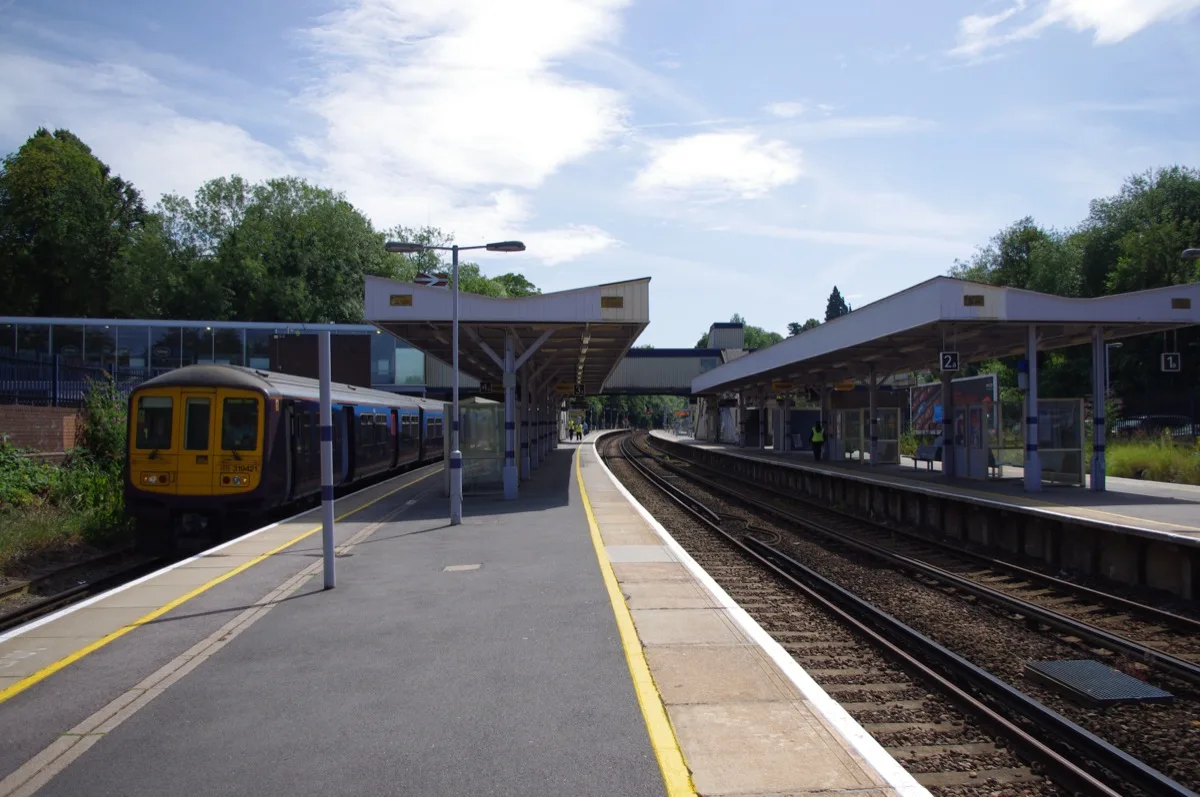
Image: “Sevenoaks Southbound” by TheJRB, CC BY-SA 2.0, via Wikimedia Commons (https://commons.wikimedia.org/wiki/File:Sevenoaks_Southbound.jpg).
Comments
0 commentsNo comments yet. Be the first to have your say.